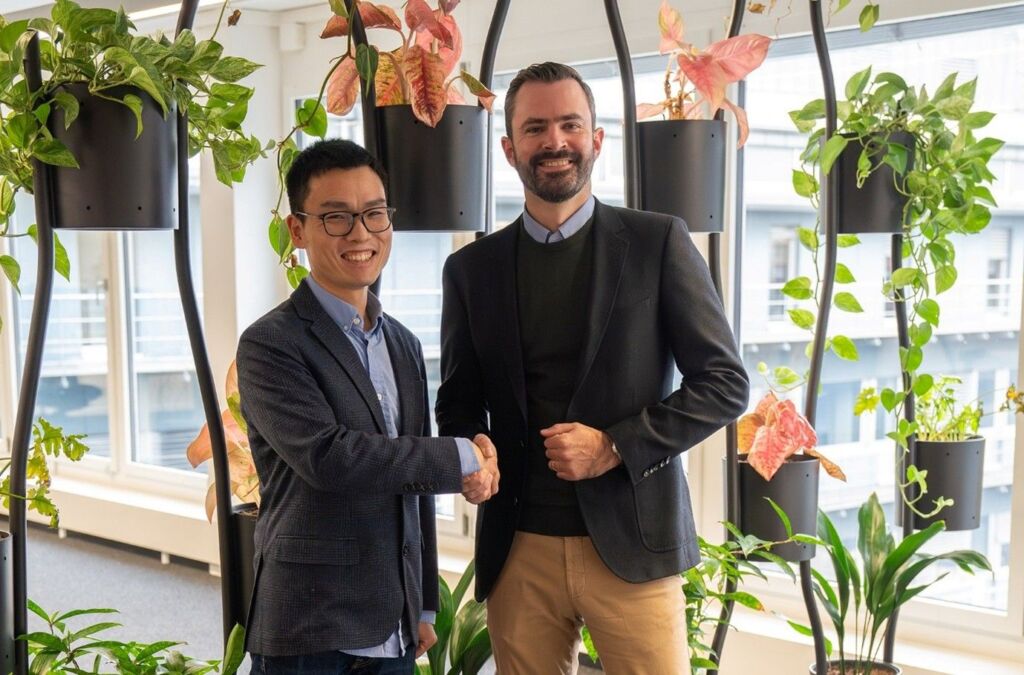
Ondrej, from your perspective, what are the key advantages of the collaboration between ecoinvent and HiQLCD?
China is fueling the global economy as the center of production. Therefore, to achieve a more sustainable planet, enabling users and businesses of all sizes in China to access science-backed environmental data is paramount.
China is a challenging market for Swiss and European enterprises to enter, which is why finding valuable partnerships is so important. Johnson and I have known each other for over a year now, and I’m grateful for the several roundtables in Shanghai he has hosted with stakeholders from the industry, government, and sustainability sphere, because it all informs ecoinvent’s strategy.
As Johnson has previously stated, we need to ensure that we’re not just delivering factors or numbers that somebody can use to create a report. We want to provide the market with actionable, high-quality data that can be used to decarbonize the industry.
Johnson, what is the main challenge in the Chinese market that you are working to address?
One of the biggest challenges in China today is that sustainability has become very popular very quickly. There is a strong commitment and clear direction from the Chinese government to make the economy more sustainable—but turning that ambition into real, credible action at the company and factory level is not easy.
In the early stages, many organizations claimed they could provide carbon footprint or sustainability solutions, but the underlying methodologies varied widely. Some companies calculated emissions using only organizational Scope 1 and 2 data, while others relied on emission factors collected from websites, articles, or secondary sources without proper validation. As a result, companies were producing numbers—but the key question was whether those numbers were trustworthy and usable.
Building accurate models takes time, deep industry understanding, and close cooperation with companies across different sectors. Fortunately, China’s manufacturing ecosystem is also our strength. China has one of the most complete industrial supply chains in the world—producing more than half of global steel, a significant share of aluminum, and dominating key areas including batteries and rare earth materials. This gives us the opportunity to build high-quality, sector-specific data blocks—but it still requires time and sustained effort.
Another major challenge is the expectation around speed. There is a strong cultural drive in China to move fast and deliver results quickly. However, when building a high-quality life cycle database, speed cannot come at the expense of quality.
ecoinvent and other European pioneers have spent decades building, refining, and continuously updating their databases. High-quality data is not created overnight. Together with partners like ecoinvent, we believe there is still important education work to be done—across government, industry, and the broader stakeholder community—to align expectations around what “quality” really means in sustainability data.


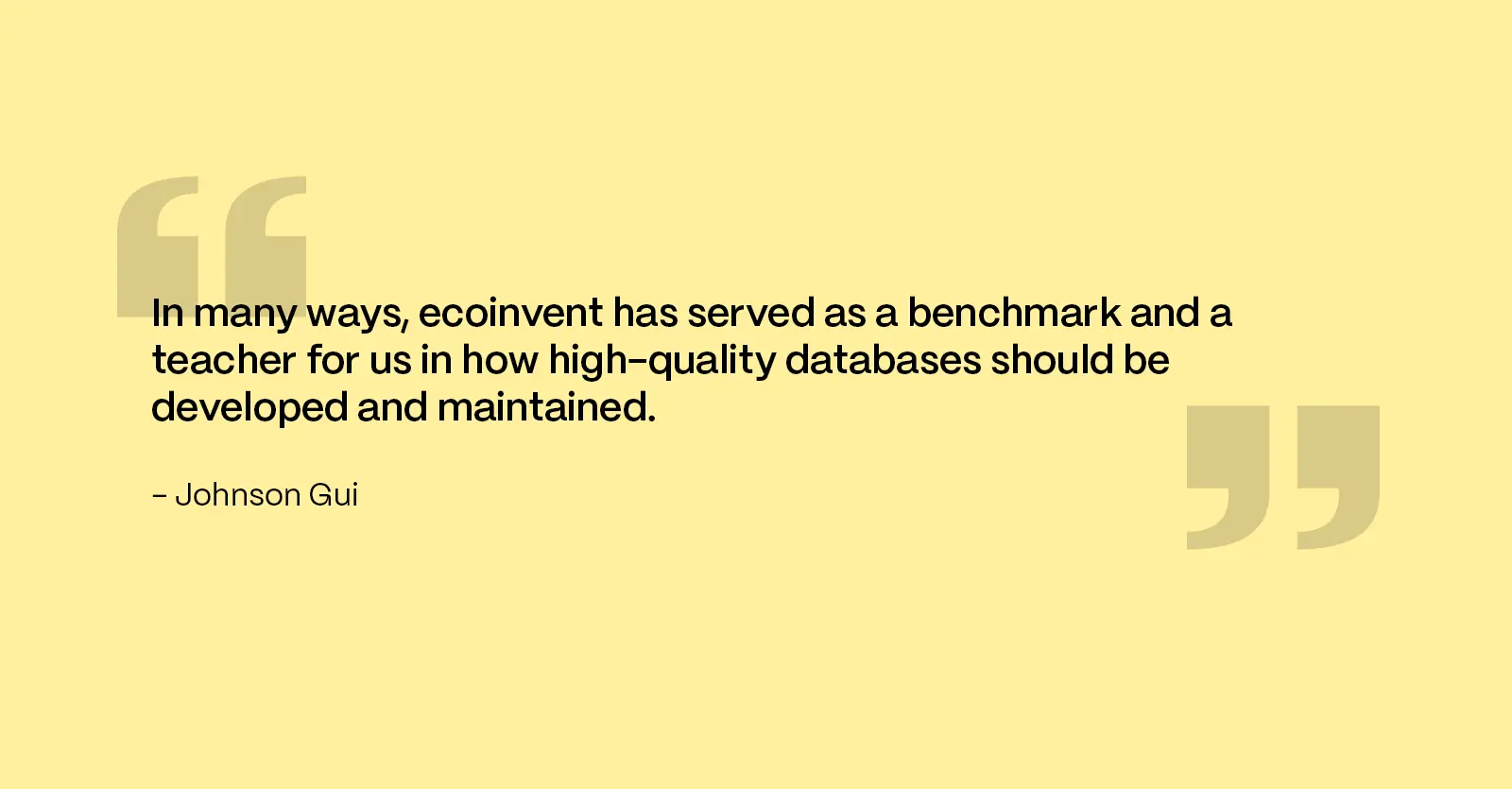
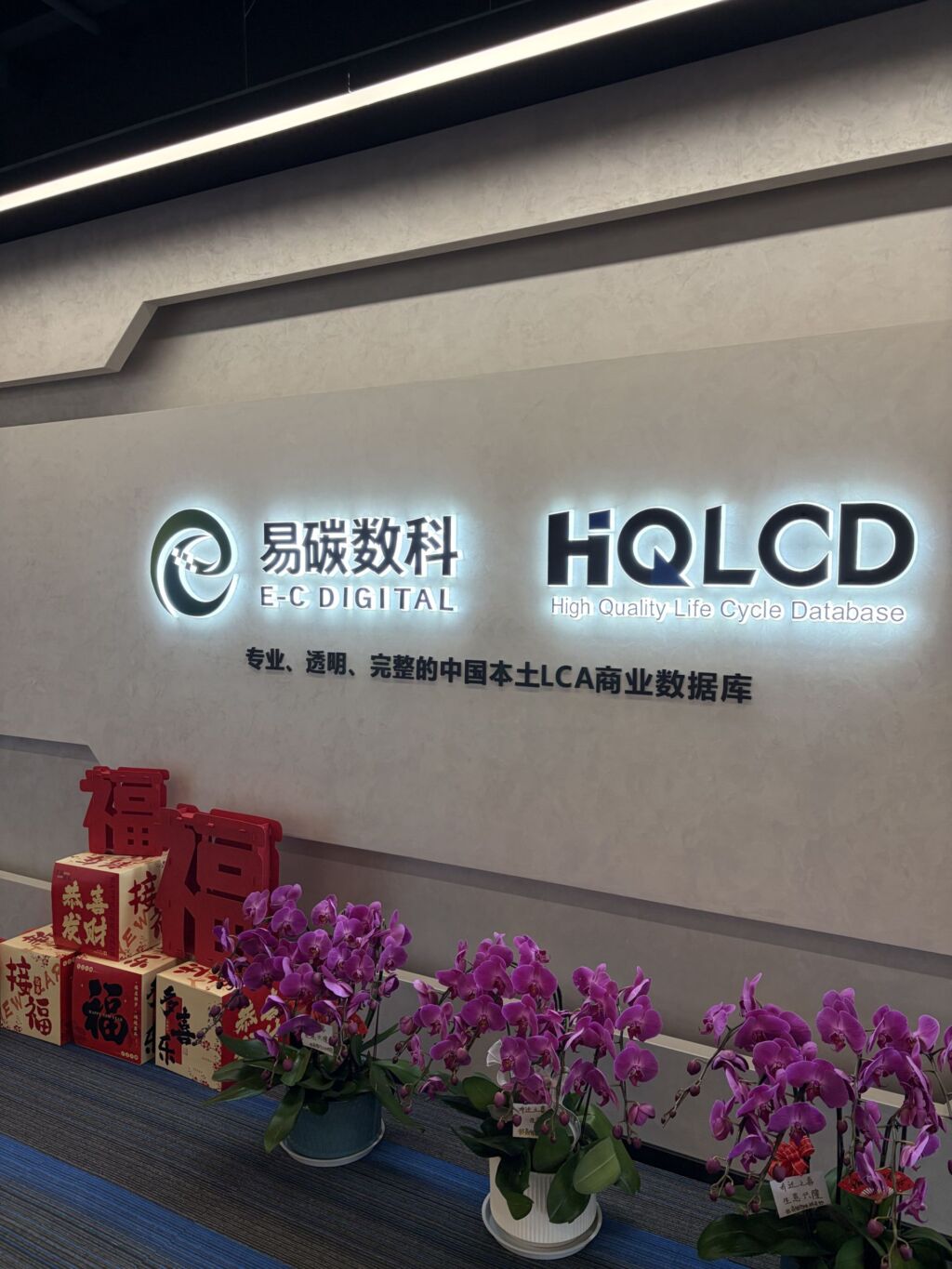
 For that reason, we prioritize ecoinvent data across our corporate packages, alongside our own high-accuracy datasets where appropriate. Our approach is to maintain quality step by step, rather than relying on generic emission factors or low-transparency databases. For us, ecoinvent represents quality, credibility, and long-term trust.